

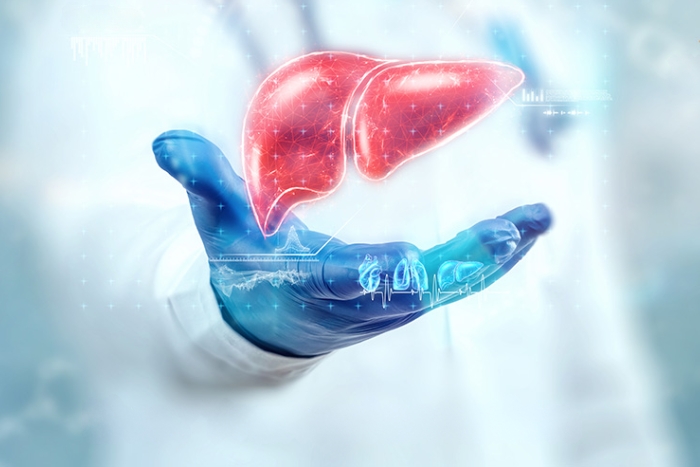
The liver is one of the most important organs in the human body. It helps in digestion, detoxification, and energy storage. When the liver fails due to disease or damage, a liver transplant can become a lifesaving solution.
What is a Liver Transplant?
A liver transplant is a surgical procedure where a diseased or failing liver is replaced with a healthy one from a donor. The donor may be:
- Living donor – a part of the liver from a living person (usually a relative). The liver can regenerate itself, making this possible.
- Deceased donor – a healthy liver from a person declared brain-dead.
Who Needs a Liver Transplant?
Liver transplants are recommended for patients with end-stage liver disease or severe complications. Common causes include:
- Cirrhosis (often due to alcohol, hepatitis B or C)
- Acute liver failure
- Liver cancer (Hepatocellular carcinoma)
- Genetic liver diseases (e.g., Wilson’s disease)
- Fatty liver disease
Benefits of Liver Transplant
- Restores normal liver function
- Improves survival rates in end-stage liver disease
- Better quality of life with improved energy and health
- Freedom from repeated hospitalizations
The Liver Transplant Process
- Medical evaluation – tests to determine eligibility.
- Donor matching – either living or deceased donor.
- Surgery – replacement of diseased liver with a healthy one.
- Post-transplant care – recovery, medications, and lifestyle management.
Life After Liver Transplant
- Immunosuppressive medicines are needed to prevent organ rejection.
- Healthy diet: low fat, no alcohol, balanced nutrition.
- Regular medical check-ups: liver function and overall health.
- Exercise and active lifestyle: to build strength and immunity.
Most patients recover well and lead normal, productive lives after a liver transplant.
Role of Telemedicine in Liver Transplant Care
Modern digital healthcare has made liver transplant care more accessible:
- Pre-transplant consultations online
- Post-surgery follow-ups through telemedicine
- Diet & lifestyle guidance remotely
- Global access to transplant specialists
This reduces travel stress and ensures continuous monitoring.
Conclusion
A liver transplant is a lifesaving treatment for patients with severe liver disease. With timely surgery, proper medications, and lifestyle changes, patients can enjoy a healthier and longer life.